



Many eBay sellers hit a real growth ceiling. You start strong, get a few sales rolling, and then suddenly… limits, flags, slower scaling, or even account restrictions. And that’s where eBay stealth accounts enter the conversation.
These are often positioned as a shortcut to scaling, but they’re also one of the most controversial (and misunderstood) tactics in the ecosystem. Here’s the reality: eBay stealth accounts are not a growth strategy. They’re a risk strategy. While they may seem like a quick fix, they directly violate eBay’s policies and can lead to permanent suspensions, fund holds, and account linkages.
Today, sellers scale more safely by optimizing operations, automating workflows, and staying compliant. Tools like AutoDS help you do exactly that by automating inventory, pricing, and order fulfillment so you can grow your eBay business without putting your account at risk.
eBay stealth accounts are accounts designed to avoid linkage to existing or suspended seller accounts.
In 2026, eBay can detect stealth accounts using IP addresses, devices, payment details, and behavioral patterns.
eBay allows multiple legitimate seller accounts when they are registered and managed within the marketplace policies.
Most stealth-account issues are actually scaling and operations problems—not visibility problems.
AutoDS helps eBay sellers scale more safely through inventory sync, price automation, fulfillment tools, and multi-store management.
What Are eBay Stealth Accounts?
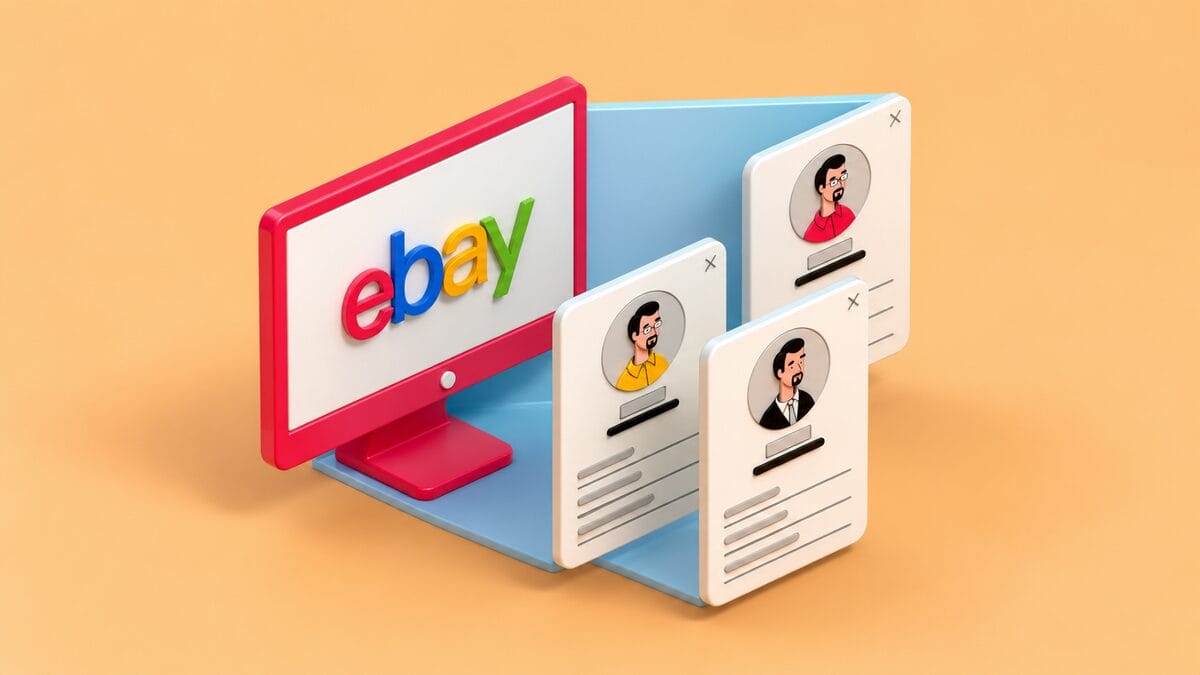
eBay stealth accounts are accounts created using different identities, IP addresses, devices, and financial details to avoid being linked to an existing or previously suspended account.
In simple terms, they’re designed to appear as completely new, unrelated users in eBay’s system. These accounts exist because some sellers:
- Want to bypass selling limits
- Attempt to recover from suspensions
- Or try to operate multiple stores outside of eBay’s standard rules
How Stealth Accounts Typically Work (High-Level)
At a high level, stealth setups aim to separate every identifiable signal tied to an account:
- Different personal details. New names, addresses, emails, and account information are used to avoid identity matching.
- Separate IP and device usage. Each account operates from a different internet connection or device to prevent tracking overlaps.
- Isolated payment and browser environments. Unique payment methods and clean browser sessions are used to reduce the chance of linkage.
⚠️ Important: Even with these precautions, eBay uses advanced detection systems in 2026, including behavioral tracking and pattern recognition, making stealth setups increasingly unreliable.
Why Sellers Use eBay Stealth Accounts
Most sellers look into stealth accounts because something in their business isn’t scaling the way they expected.
The reality is that most of these motivations are highly relatable to eBay sellers:
- To bypass selling limits. New or restricted accounts often have caps on listings or sales volume, which can slow growth.
- To recover from account suspensions. Sellers who lose access to an account sometimes try to re-enter the platform using a new identity.
- To run multiple stores simultaneously. Some believe multiple accounts can increase reach or reduce risk, but doing it improperly creates more risk instead.
- To avoid policy restrictions. Certain product categories, fulfillment methods, or practices may trigger compliance issues, pushing sellers to look for workarounds.
- To “scale faster” without waiting. Instead of gradually building account trust, some sellers try to shortcut the process.
But the key insight is simple 👉 Stealth accounts don’t solve the underlying problem—they just delay it.
In most cases, the real issues are account health, operational inefficiencies, or a lack of automation, all of which can be fixed without risking your entire business.
The Risks of Using eBay Stealth Accounts
The biggest misconception around this topic is that it is a reliable long-term solution. In reality, stealth accounts create a fragile business setup where one detection event can wipe out months of work overnight.
Let’s take a deeper look at the main risks associated with using eBay stealth accounts.
Permanent Account Suspensions
If eBay detects that a stealth account is connected to a previously restricted or policy-violating account, the platform may permanently suspend the account with little warning. In many cases, appeals become extremely difficult once account linkage is established.
Funds Being Held or Frozen
One of the most damaging consequences is losing access to your cash flow. eBay can place temporary or extended holds on payouts while reviewing account activity, identity verification, or policy concerns. For a growing seller, that can completely disrupt operations.
Linked Account Detection
Modern marketplaces don’t rely on just one identifier anymore. eBay can analyze combinations of IP data, browser fingerprints, device behavior, payment methods, shipping activity, and user patterns to identify related accounts. Even indirect overlaps can create problems.
Loss of Customer Trust
Stealth accounts are often inherently unstable. Frequent suspensions, store changes, or account resets can damage buyer confidence, disrupt feedback history, and hurt repeat business. On a platform where reputation matters heavily, that instability becomes expensive.
Operational Complexity
Managing isolated environments, separate account information, and disconnected workflows quickly becomes difficult to maintain. Instead of simplifying growth, stealth setups often create constant stress and operational friction.
Limited Long-Term Scalability
The irony is that many sellers use stealth accounts to scale, but stealth setups are rarely sustainable at scale. The more orders, logins, devices, and operational activity involved, the harder it becomes to avoid detection over time.
Higher Risk During Policy Updates
Marketplace policies evolve constantly. When eBay updates enforcement systems or verification requirements, stealth accounts are usually among the first setups affected. A method that “worked” months ago can suddenly become extremely risky after a single platform update.
eBay’s Policy on Multiple Accounts
One of the biggest myths in the eBay world is that having multiple accounts is automatically against the rules. It’s not.
The important distinction is why the accounts exist and how they’re being used.
✅ What eBay Allows
eBay does allow sellers to operate multiple accounts under the same identity. In fact, many legitimate businesses do this to separate operations, niches, or brands.
For example, a seller might run:
- One account for electronics
- Another for collectibles
- And another for refurbished products
As long as the accounts follow eBay’s business policies and remain in good standing, this setup is generally acceptable.
This is why many experienced sellers focus on building a compliant multi-store strategy instead of trying to hide their identity. The goal is to scale transparently.
💡 Pro Tip: Avoid sudden listing explosions on new accounts. One of the fastest ways to trigger manual reviews is jumping from a handful of listings to hundreds overnight. Healthy eBay growth usually looks gradual and consistent.
❌ What eBay Prohibits
Where sellers run into trouble is when additional accounts are used to:
- Circumvent suspensions
- Avoid restrictions or selling limits
- Evade policy enforcement
- Re-enter the platform after account bans under a different identity
This is where stealth accounts cross into direct policy violations.
According to eBay policies, restricted sellers are not allowed to bypass enforcement actions by creating or operating new accounts. If the platform detects a link between accounts, it may suspend both the original and newly created accounts.
Key Takeaway
There’s a major difference between:
- Running multiple legitimate eBay stores under one verified identity
- And creating stealth accounts designed to hide connections from eBay
One is a standard business scaling strategy.
The other is an attempt to bypass platform enforcement.
That distinction matters because compliant scaling creates a stable business you can grow long-term, while stealth setups usually create instability, stress, and ongoing suspension risk.
Stealth Accounts vs Legit eBay Scaling
| Factor | Stealth Accounts | Legit Multi-Account Strategy |
|---|---|---|
| Compliance | ❌ Violates policy | ✅ Allowed |
| Risk Level | Very High | Low |
| Scalability | Unstable | Sustainable |
| Payment Security | Risky | Secure |
| Long-Term Growth | Limited | Strong |
How to Scale Your eBay Business Without Stealth Accounts
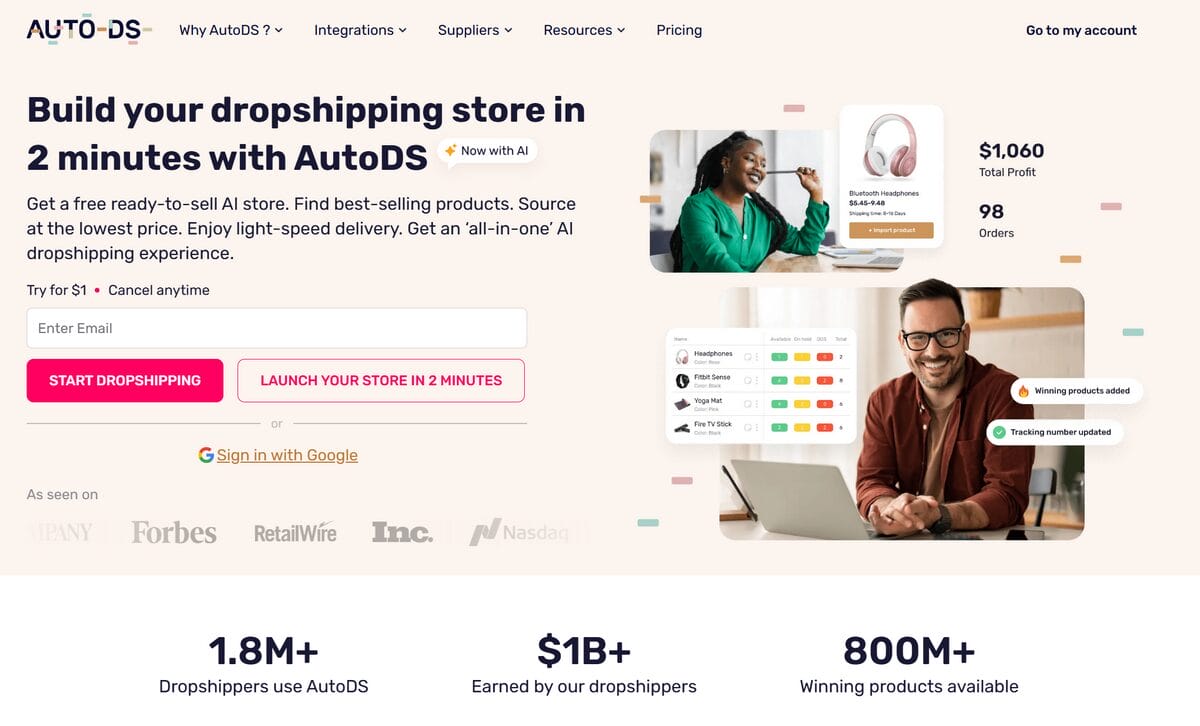
Scaling on eBay does not require hiding your identity or creating risky account setups. The safer path is to build account trust, improve operations, and expand in a way that eBay can actually support.
1️⃣ Increase Selling Limits Properly
The best way to grow on eBay is to improve the signals eBay already uses to evaluate seller reliability:
- Strong performance metrics
- Fast shipping
- Accurate tracking
- Low defect rates
- Positive customer feedback
All of these help show that your account can handle more volume.
Instead of trying to bypass limits, focus on proving that your store can manage more orders without creating buyer issues. Once your account has consistent sales and healthy metrics, you can request higher selling limits through the proper eBay process.
2️⃣ Open Multiple Legit Accounts
Multiple eBay accounts are allowed when they are registered properly and used for legitimate business reasons. This works especially well when you want to separate niches, brands, product categories, or fulfillment workflows.
For example, you could use one account for dropshipping home decor products and another for electronics accessories. The key is transparency: each account should be connected to your real identity, follow eBay policies, and avoid being used to escape restrictions from another account.
3️⃣ Automate Operations
Many eBay sellers don’t actually need stealth accounts; they need better systems. As order volume grows, manual work creates mistakes: out-of-stock sales, outdated prices, late tracking updates, and fulfillment delays.
AutoDS helps sellers scale eBay stores by automating inventory sync, price monitoring, product importing, and order fulfillment. That means your listings stay updated, your margins are easier to protect, and your account is less likely to suffer from avoidable operational mistakes.
4️⃣ Expand Product Catalog Strategically
Scaling is not about listing as many random products as possible. It’s about adding products that match demand, fit your niche, and can be fulfilled reliably.
Use product research to identify items with steady sales potential, healthy margins, and manageable competition.
Then, diversify your catalog gradually across related categories so your store grows without looking chaotic or risky. A smarter catalog helps you scale with stronger buyer trust, and without the messy “hide and hope” energy of stealth accounts.
💡 Pro Tip: Don’t ignore return handling speed. Slow responses to return requests can quietly damage seller performance metrics. Fast, organized return management helps protect account health.
How AutoDS Helps You Scale Safely on eBay
The biggest issue with stealth-account thinking is that it treats scaling like a visibility problem when, in reality, it’s usually an operations problem.
Most sellers don’t get limited because they’re “too successful.” They get limited because manual workflows create mistakes: late shipments, canceled orders, stock mismatches, or poor buyer experiences. That’s where automation becomes far more valuable than risky workarounds.
Automation Instead of Risk
As your eBay business grows, handling everything manually becomes difficult fast. Inventory changes, supplier price fluctuations, order fulfillment, and tracking uploads can easily spiral into operational chaos.
AutoDS automates these repetitive processes by syncing inventory, updating prices, importing tracking information, and streamlining order management. Instead of trying to avoid detection systems, sellers can focus on improving account performance and stability.
Multi-Store Management
Running multiple legitimate eBay stores is much easier when everything is centralized.
AutoDS allows sellers to manage multiple stores from one dashboard, making it simpler to monitor listings, fulfill orders, and keep operations organized across different niches or brands. That creates a scalable structure without needing disconnected setups or risky account separation tactics.
Performance Optimization
One of the fastest ways to damage an eBay account is through preventable operational mistakes. Selling out-of-stock products or failing to account for major supplier price changes can quickly hurt seller metrics.
AutoDS helps reduce those risks through automated stock monitoring and price automation. Listings stay updated in real time, which helps sellers maintain healthier performance metrics and protect profit margins more consistently. This is a benefit users can leverage from day one, and AutoDS offers a $1 trial that’s perfect for getting started.
Scaling Advantage
The long-term advantage is stability.
AutoDS helps sellers scale eBay businesses faster by reducing manual work, improving operational consistency, and supporting compliant growth strategies. Instead of constantly worrying about linkage detection or account bans, sellers can focus on what actually builds a sustainable business: better products, stronger service, and smarter systems.
Frequently Asked Questions
Are eBay stealth accounts legal?
No. eBay stealth accounts violate eBay policies when they are used to bypass suspensions, selling limits, or account restrictions. eBay can suspend both the stealth account and related accounts if linkage is detected.
Can eBay detect stealth accounts?
Yes. eBay can detect stealth accounts through IP addresses, device fingerprints, browser data, payment methods, shipping information, and behavioral patterns. In 2026, marketplace detection systems are significantly more advanced than in previous years.
Is it safe to run multiple eBay accounts?
Yes. eBay allows multiple accounts when they are registered legitimately and follow marketplace policies. Many sellers use separate accounts for different niches, brands, or product categories.
What’s the best alternative to stealth accounts?
The best alternative to eBay stealth accounts is a compliant scaling strategy based on automation and legitimate multi-store management. Sellers can scale more safely by improving account performance, automating inventory and price updates, and managing operations efficiently with tools like AutoDS.
Can beginners use stealth accounts?
Beginners can use stealth accounts, but it is highly risky and not recommended. Stealth setups are difficult to maintain, easy to mismanage, and increasingly detectable by eBay’s enforcement systems.
Choose the Right Scaling Strategy with AutoDS
eBay stealth accounts became popular because sellers wanted faster scaling, more flexibility, or a second chance after restrictions. But in 2026, the reality is simple: marketplace detection systems are far more advanced, and stealth setups create more instability than opportunity.
The safer, more sustainable path is to build a compliant eBay business with strong account health, better operations, and scalable systems. Legitimate multi-store management, strong customer metrics, strategic product expansion, and automation all help sellers grow without constantly worrying about suspensions or account linkage issues.
With AutoDS, sellers can automate inventory updates, monitor pricing, streamline fulfillment, and manage multiple legitimate eBay stores from a single dashboard. In other words: less time fighting operational chaos, more time actually scaling. Start you trial and put your business on auto-pilot.
If you want to scale your eBay business safely and more efficiently, these guides are worth reading next: